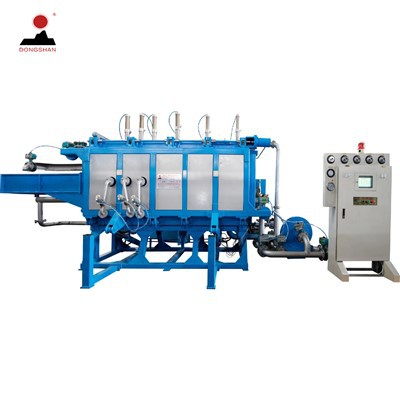
As a supplier of vacuum systems, I’ve witnessed firsthand the critical role that vacuum valves play in the overall functionality and efficiency of these systems. In this blog, I’ll delve into the various aspects of vacuum valves, their functions, and why they are indispensable in any vacuum system. Vacuum System
Understanding Vacuum Systems
Before we explore the role of vacuum valves, it’s essential to have a basic understanding of vacuum systems. A vacuum system is designed to create and maintain a low-pressure environment, which is crucial for a wide range of applications, including semiconductor manufacturing, scientific research, and industrial processes. These systems typically consist of a vacuum pump, a chamber, and various components that work together to achieve and control the desired vacuum level.
What is a Vacuum Valve?
A vacuum valve is a device used to control the flow of gas or fluid within a vacuum system. It acts as a gatekeeper, allowing or preventing the passage of gas between different parts of the system. Vacuum valves come in various types, each designed to meet specific requirements and applications. Some common types of vacuum valves include gate valves, ball valves, butterfly valves, and diaphragm valves.
The Role of Vacuum Valves in a Vacuum System
Isolation
One of the primary functions of a vacuum valve is to isolate different parts of the vacuum system. This is particularly important during maintenance or when a specific section of the system needs to be taken offline. By closing a vacuum valve, the flow of gas can be stopped, preventing any contaminants or unwanted substances from entering or leaving the isolated area. This ensures the integrity of the system and helps to maintain the desired vacuum level.
Flow Control
Vacuum valves also play a crucial role in controlling the flow of gas within the system. By adjusting the opening of the valve, the rate of gas flow can be regulated, allowing for precise control of the vacuum level. This is essential for processes that require a specific vacuum level to be maintained, such as thin film deposition or electron microscopy.
Pressure Regulation
In addition to flow control, vacuum valves can also be used to regulate the pressure within the system. By adjusting the valve opening, the pressure can be increased or decreased as needed. This is particularly important in applications where a stable pressure is required, such as in chemical vapor deposition or vacuum drying.
Safety
Vacuum valves are also an important safety feature in vacuum systems. In the event of a sudden pressure increase or a malfunction, a vacuum valve can be used to quickly isolate the affected area, preventing any potential damage to the system or harm to the operators. Additionally, some vacuum valves are designed with safety features such as overpressure protection or fail-safe mechanisms to ensure the safe operation of the system.
Types of Vacuum Valves and Their Applications
Gate Valves
Gate valves are one of the most common types of vacuum valves. They consist of a sliding gate that opens and closes to control the flow of gas. Gate valves are typically used for applications that require a high degree of isolation, such as in vacuum chambers or vacuum pumps. They are also suitable for applications that require a large flow rate, as they can provide a relatively large opening.
Ball Valves
Ball valves are another popular type of vacuum valve. They consist of a ball with a hole in the center that rotates to control the flow of gas. Ball valves are known for their quick and easy operation, making them suitable for applications that require frequent opening and closing. They are also relatively compact and can be used in a variety of applications, including vacuum systems, gas pipelines, and chemical processing.
Butterfly Valves
Butterfly valves are similar to ball valves, but they use a disc instead of a ball to control the flow of gas. Butterfly valves are typically used for applications that require a large flow rate and a relatively low pressure drop. They are also suitable for applications that require a quick and easy operation, as they can be opened and closed with a simple quarter-turn of the handle.
Diaphragm Valves
Diaphragm valves are a type of valve that uses a flexible diaphragm to control the flow of gas. Diaphragm valves are typically used for applications that require a high degree of precision and control, such as in semiconductor manufacturing or pharmaceutical production. They are also suitable for applications that require a clean and sterile environment, as the diaphragm can prevent any contaminants from entering the system.
Choosing the Right Vacuum Valve
When choosing a vacuum valve for your vacuum system, it’s important to consider several factors, including the type of application, the required flow rate, the pressure range, and the compatibility with the system components. Here are some tips to help you choose the right vacuum valve:
- Consider the application: Different applications require different types of vacuum valves. For example, if you need a high degree of isolation, a gate valve may be the best choice. If you need a quick and easy operation, a ball valve or a butterfly valve may be more suitable.
- Determine the flow rate: The flow rate of the vacuum valve is an important factor to consider. You need to choose a valve that can handle the required flow rate without causing a significant pressure drop.
- Consider the pressure range: The pressure range of the vacuum valve is also an important factor to consider. You need to choose a valve that can operate within the required pressure range without leaking or malfunctioning.
- Check the compatibility: Make sure that the vacuum valve is compatible with the other components of the vacuum system, such as the vacuum pump, the chamber, and the piping. You also need to consider the material of the valve and its compatibility with the gas or fluid that will be flowing through it.
Conclusion
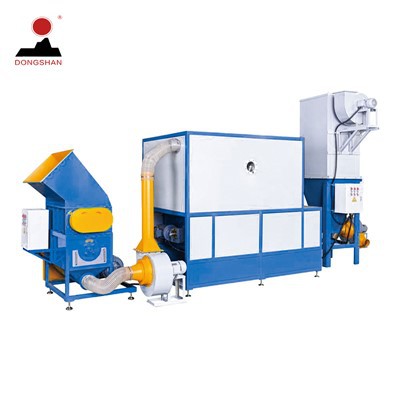
In conclusion, vacuum valves play a crucial role in the overall functionality and efficiency of vacuum systems. They are used to isolate different parts of the system, control the flow of gas, regulate the pressure, and ensure the safety of the system. By choosing the right vacuum valve for your application, you can ensure the optimal performance of your vacuum system and achieve the desired results.
Vacuum System If you’re in the market for a vacuum system or need to replace a vacuum valve in your existing system, I encourage you to contact us. Our team of experts can help you choose the right vacuum valve for your application and provide you with the support and guidance you need to ensure the successful operation of your vacuum system.
References
- ASME B16.34 – Valves – Flanged, Threaded, and Welded Ends
- ISO 16091 – Vacuum technology – Vocabulary
- Vacuum Technology Handbook, Second Edition, by A. Roth
Hangzhou Fuyang Dongshan Plastic Machinery Co., Ltd.
Hangzhou Fuyang Dongshan Plastic Machinery Co., Ltd. is one of the most professional vacuum system manufacturers and suppliers in China, featured by quality products and low price. Please feel free to wholesale advanced vacuum system made in China here and get quotation from our factory. Customized orders are welcome.
Address: 101 Guanting, Baiqian Villige, Luzhu Town, Fuyang District, Hangzhou City, Zhejiang Province, China
E-mail: xu@dong-shan.cn
WebSite: https://www.epseppmachinery.com/
