What materials and skills are needed to make a Judo Gi?
As a Judo Gi supplier, I’ve had the privilege of delving deep into the craftsmanship and science behind creating these essential uniforms. Judo Gi is not just a piece of clothing; it’s a symbol of the sport, embodying the spirit of discipline, respect, and combat. In this blog, I’ll share the key materials and skills required for making a high – quality Judo Gi. Judo Gi
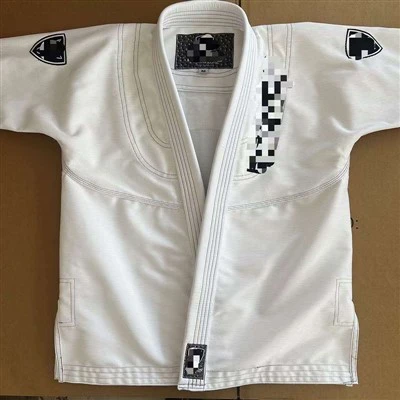
Materials
- Fabric Selection
- Cotton: The most common material for Judo Gi is cotton. It is highly breathable, absorbent, and comfortable to wear during long training sessions. For the outer material, heavy – weight cotton is often used. A good quality Judo Gi outer layer might be made of 100% cotton weighing around 450 – 550 grams per square meter. This heavy – weight cotton provides durability and can withstand the intense pulling, tugging, and grappling that occur in Judo.
- Polyester Blend: Some Judo Gis incorporate a small percentage of polyester in the blend. Polyester adds strength and reduces shrinkage. A blend of 80% cotton and 20% polyester, for example, can create a Gi that is both durable and retains its shape well over time. The polyester also helps the Gi dry faster, which is beneficial for athletes who train multiple times a day or in humid environments.
- Canvas: Canvas is another option for the outer shell of a Judo Gi. It is extremely tough and resistant to abrasion. Canvas Judo Gis are often preferred by more experienced Judokas and competitors because they can handle the rigors of high – level matches. However, canvas can be less breathable compared to cotton, so it may not be the best choice for beginners or those training in hot climates.
- Thread
- The thread used in sewing a Judo Gi is crucial. It needs to be strong enough to hold the seams together under the stress of Judo moves. Polyester – cotton blend threads are commonly used. This type of thread combines the strength of polyester with the flexibility and non – slipperiness of cotton. A thick, durable thread with a high tensile strength is selected to ensure that the seams do not come apart easily. For example, a 60 – 80 weight polyester – cotton blend thread can be used, which can handle the strain of pulling and tearing during Judo practice.
- Reinforcements
- Ripstops: In areas prone to high stress, such as the armpits, knees, and elbows, ripstop fabric is often added as a reinforcement. Ripstop is a lightweight, strong fabric with a cross – hatch pattern that prevents tears from spreading. It can be sewn onto the inner or outer side of the Gi in these critical areas. For example, a nylon – based ripstop can be used, which provides excellent resistance to tearing without adding too much weight or bulk to the Gi.
- Double – stitching: Many Judo Gis use double – stitching techniques in high – stress areas. Double – stitching involves sewing two parallel rows of stitches close together. This not only adds strength to the seams but also makes it more difficult for the fabric to come apart. For instance, the seams around the collar, which are often grabbed during Judo holds, are usually double – stitched.
- Padding (Optional)
- Some advanced or specialized Judo Gis come with padding. Padding can be made from materials like foam or gel. Foam padding is lightweight and provides shock absorption. It can be placed in areas like the shoulders or knees to protect the wearer from impact during throws. Gel padding, on the other hand, conforms better to the body’s shape and can provide more targeted protection. However, padded Judo Gis are more commonly used in professional or high – level competitions and are not as widespread in general training use.
Skills
-
Pattern Making
- Creating an accurate pattern is the first step in making a Judo Gi. A well – designed pattern ensures that the Gi fits the body properly and allows for a full range of motion. Pattern makers need to have a good understanding of human anatomy. They must account for the different body shapes and sizes of Judokas, from beginners to professional athletes. For example, the sleeves and legs of the Gi need to be long enough to avoid riding up during practice, but not so long that they impede movement.
- The pattern also needs to take into account the specific design elements of a Judo Gi, such as the wide lapel collar, the loose – fitting pants, and the overall boxy shape. Experienced pattern makers use traditional drafting techniques or advanced computer – aided design (CAD) software to create precise patterns.
-
Cutting
- Once the pattern is ready, the cutting process begins. Precision is key here. The fabric needs to be cut accurately according to the pattern to ensure that all the pieces fit together perfectly during assembly. Cutters use sharp cutting tools, such as industrial – grade scissors or cutting machines. They must also pay attention to the grain of the fabric. Cutting against the grain can cause the fabric to stretch or warp during sewing and wearing, affecting the fit and durability of the Gi.
-
Sewing
- Sewing a Judo Gi requires a high level of skill. Seamstresses or tailors need to be proficient in different types of stitches. Besides the basic straight stitch, they need to know how to perform zig – zag stitches for finishing edges and preventing fraying. Overlock stitching is also commonly used to enclose the raw edges of the fabric.
- The sewing process also involves attaching different parts of the Gi, such as the sleeves to the body, the pants legs to the waistband, and the collar to the top. Each seam needs to be sewn tightly and evenly to ensure strength and durability. Additionally, sewers must be able to handle the thick and heavy fabrics used in Judo Gis, which can be more challenging than sewing regular clothing materials.
-
Quality Control
- Quality control is an essential skill in the production of Judo Gis. Inspectors need to check every aspect of the finished product. They examine the seams for strength and evenness, the fit of the Gi on a mannequin or a test model, and the overall quality of the fabric. Any loose threads, uneven stitching, or fabric defects are identified and corrected.
- Quality control also includes checking for proper sizing. Judo Gis come in different sizes, and it is crucial that each size meets the specified measurements. Inspectors use measuring tapes and sizing charts to ensure accuracy. They may also test the durability of the Gi by simulating Judo movements, such as pulling and stretching, to make sure that it can withstand the real – world demands of the sport.
-
Customization Skills
- Many customers, especially professional athletes and clubs, may require customized Judo Gis. This could involve adding logos, names, or specific color schemes. Screen – printing and embroidery are two common techniques used for customization. Screen – printing is a fast and cost – effective method for adding simple designs or logos to the Gi. Embroidery, on the other hand, provides a more detailed and high – quality look. Skilled technicians are needed to operate the screen – printing machines or embroidery machines and ensure that the customizations are done accurately and neatly.

In conclusion, making a high – quality Judo Gi is a complex process that requires the right materials and a diverse set of skills. From carefully selecting the fabric to the final quality control check, every step plays a crucial role in creating a Gi that meets the needs of Judokas.
Karate Uniforms If you are looking for a reliable Judo Gi supplier, whether you are a beginner, a professional athlete, or a Judo club organizer, we are here to serve you. We guarantee high – quality materials, expert craftsmanship, and customizable options to meet your specific requirements. Contact us to start a conversation about your Judo Gi needs and explore the possibilities we can offer.
References
- "The Art of Judo" by Jigoro Kano
- "Judo Training Methods" by Hidehiko Yoshida
- Textbooks on industrial sewing and fabric technology from major textile institutes.
Qingdao Chido Sports Products Co., Ltd.
As one of the most experienced judo gi manufacturers in China, we’re featured by quality products and good price. We warmly welcome you to wholesale bulk cheap judo gi made in China here from our factory. Contact us for custom service and free sample.
Address: 360 Minxin Street, Qingdao, Shandong, China
E-mail: info@636med.com
WebSite: https://www.chidosports.com/
