Press-fit blocks and vibration dampers are two essential components in many industrial applications, and their use in hydraulic systems is a topic of significant interest. As a supplier of press-fit blocks and vibration dampers, I have witnessed firsthand the growing demand for these products in the hydraulic system market. In this blog post, I will explore the feasibility and benefits of using press-fit blocks and vibration dampers in hydraulic systems, drawing on my experience and industry knowledge. Press-Fit Blocks and Vibration Dampers
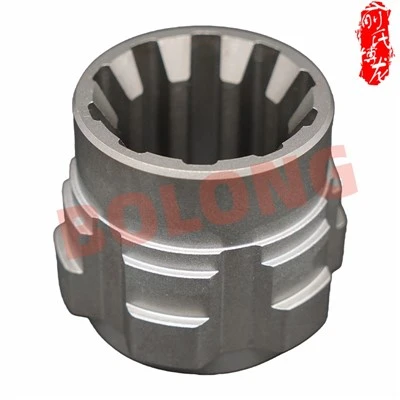
Press – fit Blocks in Hydraulic Systems
Press – fit blocks are mechanical components designed to be inserted into a housing or bore with interference. This interference creates a secure and tight connection, eliminating the need for additional fasteners such as bolts or screws. In hydraulic systems, the use of press – fit blocks offers several advantages.
Sealing and Leak Prevention
One of the primary concerns in hydraulic systems is fluid leakage. Press – fit blocks can provide an excellent sealing solution. When properly installed, the interference fit between the block and the housing prevents hydraulic fluid from escaping. This is particularly important in high – pressure hydraulic systems, where even a small leak can lead to significant loss of efficiency and potential safety hazards. For example, in heavy – machinery hydraulic systems that operate at pressures up to several thousand pounds per square inch (psi), a well – designed press – fit block can maintain a reliable seal, ensuring the smooth operation of the system.
Space and Weight Savings
Hydraulic systems are often used in applications where space and weight are critical factors, such as in aerospace and automotive industries. Press – fit blocks can help in reducing the overall size and weight of the system. Unlike traditional fasteners, which require additional space for installation and may add unnecessary weight, press – fit blocks are compact and lightweight. This allows for more efficient design of the hydraulic system, leading to improved performance and fuel efficiency in vehicles or enhanced payload capacity in aircraft.
Easy Installation and Maintenance
Installing press – fit blocks in hydraulic systems is relatively straightforward. It typically involves using a hydraulic press or other suitable equipment to insert the block into the housing. This simplicity of installation reduces labor costs and installation time. Moreover, in case of maintenance or replacement, press – fit blocks can be easily removed and reinstalled, minimizing downtime of the hydraulic system.
Vibration Dampers in Hydraulic Systems
Vibration dampers, also known as shock absorbers, are devices used to reduce or eliminate vibrations and shocks in a system. In hydraulic systems, vibrations can be caused by various factors, such as the operation of pumps, valves, and actuators. The use of vibration dampers offers several benefits.
Noise Reduction
Vibrations in hydraulic systems often result in noise generation. This noise can be a nuisance in industrial settings and may also indicate potential problems within the system. Vibration dampers can effectively reduce the amplitude of vibrations, thereby minimizing the noise produced. For example, in a manufacturing plant with multiple hydraulic machines running simultaneously, the use of vibration dampers can create a quieter and more comfortable working environment.
Enhanced Component Life
Excessive vibrations can cause premature wear and tear of hydraulic components. For instance, valves and pumps are susceptible to damage from continuous vibrations, which can lead to leakage, reduced efficiency, and eventually component failure. Vibration dampers absorb and dissipate the energy from vibrations, protecting the sensitive components in the hydraulic system. This extends the service life of the components, reduces maintenance costs, and improves the overall reliability of the system.
Improved System Performance
In a hydraulic system, vibrations can cause fluctuations in pressure and flow rate, leading to inconsistent performance. Vibration dampers help to stabilize the system by reducing these fluctuations. This ensures a more precise and accurate control of the hydraulic actuators, which is crucial in applications such as robotics and precision machining.
Challenges and Considerations
While press – fit blocks and vibration dampers offer numerous benefits in hydraulic systems, there are also some challenges and considerations that need to be addressed.
Compatibility
When using press – fit blocks and vibration dampers in hydraulic systems, it is essential to ensure their compatibility with the hydraulic fluid and other components in the system. The materials used in the blocks and dampers should be resistant to the chemical properties of the hydraulic fluid to prevent corrosion and degradation. Additionally, the design of the press – fit block and damper should be compatible with the specific requirements of the hydraulic system, such as pressure rating, temperature range, and flow rate.
Design and Installation
Proper design and installation are critical for the effective use of press – fit blocks and vibration dampers. The interference fit of the press – fit block needs to be carefully calculated to ensure a secure connection without causing excessive stress on the housing. Similarly, the selection and installation of vibration dampers should be based on a detailed analysis of the vibration characteristics of the hydraulic system. Incorrect design or installation can lead to performance issues and even system failure.
Case Studies
To illustrate the practical application of press – fit blocks and vibration dampers in hydraulic systems, let’s look at a few case studies.
Construction Equipment
In a large construction company, hydraulic systems are used extensively in equipment such as excavators and loaders. By using press – fit blocks, the company was able to reduce the number of fasteners in the hydraulic circuits, resulting in a more compact and reliable design. At the same time, the installation of vibration dampers significantly reduced the noise and vibration levels in the equipment. This not only improved the working conditions for the operators but also extended the service life of the hydraulic components, leading to cost savings in maintenance and replacement.
Marine Hydraulic Systems
In marine applications, hydraulic systems are used for various functions, such as steering, winching, and cargo handling. Press – fit blocks were used to seal the hydraulic connections, providing a leak – free solution even in harsh marine environments. Vibration dampers were installed to reduce the vibrations caused by the ship’s motion and the operation of the hydraulic pumps. This improved the stability and performance of the hydraulic systems, ensuring the safe and efficient operation of the vessel.
Conclusion
In conclusion, press – fit blocks and vibration dampers can indeed be effectively used in hydraulic systems. They offer significant benefits in terms of sealing, space and weight savings, noise reduction, component protection, and system performance improvement. However, it is crucial to address the challenges related to compatibility, design, and installation to ensure the optimal performance of these components.
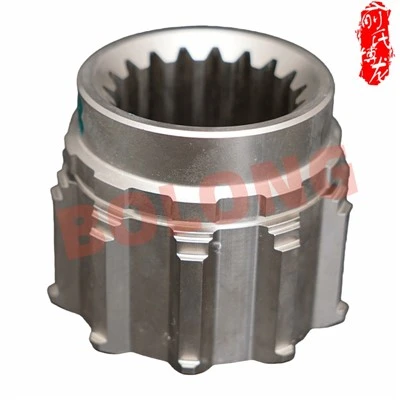
As a supplier of press – fit blocks and vibration dampers, I am committed to providing high – quality products and technical support to meet the diverse needs of the hydraulic system market. Whether you are a manufacturer of hydraulic equipment, a maintenance provider, or a user of hydraulic systems, I encourage you to contact me to discuss your specific requirements. I am confident that our products can help you enhance the efficiency, reliability, and performance of your hydraulic systems.
Process If you are interested in learning more about our press – fit blocks and vibration dampers or would like to start a procurement discussion, please feel free to reach out. I look forward to working with you to find the best solutions for your hydraulic system applications.
References
- "Hydraulic Systems Design and Maintenance" by Linak Systems
- "Mechanical Design Handbook" by Robert C. Juvinall and Kurt M. Marshek
- Industry whitepapers on hydraulic component applications and performance.
Ningbo Fenghua Bolong Machinery Manufacturing Co., Ltd.
Ningbo Fenghua Bolong Machinery Manufacturing Co., Ltd. is one of the most professional press-fit blocks and vibration dampers manufacturers and suppliers in China, also supports high quality customized service. With abundant experience, we warmly welcome you to buy durable press-fit blocks and vibration dampers made in China here from our factory.
Address: No. 27 Hehai Road, Binhai New Area, Fenghua Economic Development Zone, Ningbo City, Zhejiang Province
E-mail: seven@nbbolongmachinery.com
WebSite: https://www.nbbolongmachinery.com/
