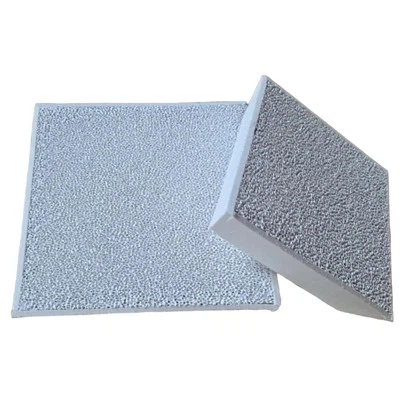
Alumina ceramic foam filters play a crucial role in the metal casting industry, effectively removing impurities and inclusions from molten metal to improve the quality of castings. As a reliable supplier of alumina ceramic foam filters, I’m here to share with you the detailed installation steps of these filters. Alumina Ceramic Foam Filter
1. Pre – installation Preparation
Before installing the alumina ceramic foam filter, several key preparations need to be made. First, it is essential to carefully inspect the filter itself. Check for any visible cracks, chips, or other damages. A damaged filter may not function properly and could lead to poor filtration results or even breakage during the casting process.
Next, ensure that the filter size is appropriate for the casting system. The filter should fit snugly into the filter holder or the designated area in the gating system. Measure the dimensions of the filter holder accurately and select the filter with the correct size accordingly.
Cleanliness is also of utmost importance. Both the filter and the filter holder should be free from dust, debris, and any other contaminants. Use a clean, dry cloth to wipe the filter and the holder. Any foreign particles left on the filter or in the holder can interfere with the filtration process and reduce the efficiency of the filter.
2. Selecting the Right Location in the Gating System
The location of the alumina ceramic foam filter in the gating system is critical for achieving optimal filtration. Generally, the filter should be placed as close to the mold cavity as possible. This allows the molten metal to pass through the filter just before entering the mold, minimizing the chances of re – contamination.
In a typical gating system, the filter can be installed in the runner or the sprue well. When installing in the runner, make sure that the flow of molten metal is evenly distributed across the filter surface. If the filter is placed in the sprue well, it should be positioned in a way that allows the molten metal to enter the filter smoothly without causing excessive turbulence.
It is also important to consider the orientation of the filter. The filter should be installed with the correct side facing the incoming molten metal. Most alumina ceramic foam filters have a specific side that is designed to be in contact with the molten metal, and installing it incorrectly can affect the filtration performance.
3. Installation in the Filter Holder
Once the location is determined, it’s time to install the filter in the filter holder. First, gently place the filter into the holder. Make sure that the filter is centered and properly seated. If the filter holder has a locking mechanism, engage it to secure the filter in place.
During the installation process, be careful not to apply excessive force that could damage the filter. If the filter doesn’t fit easily into the holder, double – check the dimensions to ensure that the correct filter size has been selected.
After the filter is installed in the holder, it is a good practice to perform a visual inspection again to confirm that the filter is properly positioned and there are no signs of misalignment or damage.
4. Sealing the Filter Installation
To prevent any bypass of molten metal around the filter, proper sealing is necessary. There are several methods for sealing the filter installation. One common method is to use a refractory sealant. Apply the sealant around the edges of the filter where it meets the filter holder. Make sure that the sealant forms a continuous and tight seal.
Another option is to use gaskets. Select gaskets made of suitable materials that can withstand the high temperatures of the molten metal. Place the gaskets between the filter and the filter holder, and ensure that they are properly compressed to create a seal.
Proper sealing not only ensures that all the molten metal passes through the filter but also helps to prevent any leakage of molten metal, which can be a safety hazard.
5. Pre – heating the Filter
Pre – heating the alumina ceramic foam filter is an important step before pouring the molten metal. Pre – heating helps to reduce thermal shock, which can cause the filter to crack or break when it comes into contact with the hot molten metal.
The pre – heating temperature and time depend on the type and size of the filter. Generally, the filter should be pre – heated to a temperature close to the pouring temperature of the molten metal. This can be achieved using a pre – heating oven or other heating devices.
During the pre – heating process, monitor the temperature carefully to ensure that it reaches the desired level. Once the filter is pre – heated, it should be quickly transferred to the casting system and the molten metal should be poured immediately to minimize heat loss.
6. Pouring the Molten Metal
When pouring the molten metal, it is important to do it in a controlled manner. The flow rate of the molten metal should be adjusted to ensure that it passes through the filter at an appropriate speed. A too – fast flow rate can cause the filter to become clogged or damaged, while a too – slow flow rate may result in insufficient filtration.
Start the pouring process slowly to allow the molten metal to gradually fill the filter and the gating system. As the pouring progresses, maintain a steady flow rate. Avoid sudden changes in the flow rate, which can cause turbulence and affect the filtration efficiency.
During the pouring, observe the filter closely for any signs of abnormal behavior, such as excessive bubbling or blockage. If any issues are detected, take appropriate measures immediately, such as adjusting the flow rate or stopping the pouring.
7. Post – installation Inspection
After the casting process is completed, it is necessary to conduct a post – installation inspection of the filter. Remove the filter from the filter holder carefully and examine it for any signs of damage or clogging.
If the filter is clogged with impurities, it indicates that the filtration process was effective. However, if there are signs of breakage or damage, it may be necessary to review the installation process and identify the cause.
Analyzing the used filter can also provide valuable information about the quality of the molten metal and the performance of the filtration system. This information can be used to optimize the casting process and improve the quality of future castings.
Why Choose Our Alumina Ceramic Foam Filters
As a leading supplier of alumina ceramic foam filters, we take pride in offering high – quality products. Our filters are made from premium alumina materials, which provide excellent thermal stability and mechanical strength. They are designed to effectively remove a wide range of impurities from molten metal, ensuring the production of high – quality castings.
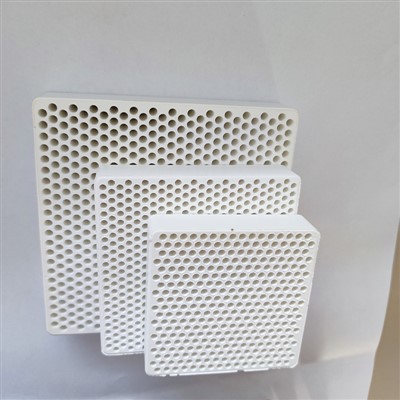
We also offer a variety of filter sizes and pore sizes to meet the diverse needs of different casting applications. Our technical team is always ready to provide professional advice and support to help you select the most suitable filter for your specific requirements.
Extruded Ceramic Filter If you are interested in our alumina ceramic foam filters or have any questions about the installation or application of these filters, we encourage you to contact us for further discussion. We are committed to providing you with the best products and services to ensure the success of your casting operations.
References
- Smith, J. (2018). "Advanced Filtration Techniques in Metal Casting". Metal Casting Journal.
- Johnson, A. (2019). "The Role of Alumina Ceramic Foam Filters in Improving Casting Quality". International Journal of Foundry Technology.
- Brown, R. (2020). "Installation and Maintenance of Filtration Systems in Metal Casting". Casting Industry Review.
Shanxi Dingtai Yinrui Filter Manufacturing Co., Ltd.
As one of the most professional alumina ceramic foam filter manufacturers and suppliers in China, we’re featured by quality products and good service. Please feel free to buy high-grade alumina ceramic foam filter made in China here from our factory. Contact us for more details.
Address: Plant 1-2, No.3 Xuhu Business and Trade Industrial Park, Houma Economic Development Zone, Linfen, Shanxi, China
E-mail: tina@dtcastingfilters.com
WebSite: https://www.dingtaifilter.com/
