Hey there! I’m a flange supplier, and today I wanna talk about something super important when it comes to flanges – how to select a flange gasket. It’s not as simple as it might seem, and getting it right can save you a whole lot of headaches down the road. Flange
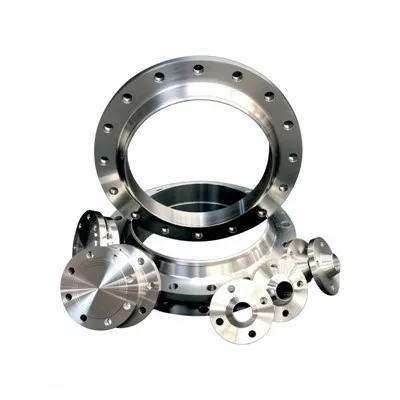
Let’s start with the basics. A flange gasket is a crucial component in a piping system. Its main job is to create a tight seal between two flanges, preventing any leakage of fluids or gases. Whether you’re dealing with water, oil, gas, or some other chemical substance, a proper gasket is essential for the safety and efficiency of your system.
Consider the Application
The first thing you need to think about when selecting a flange gasket is the application. What kind of fluid or gas is going to be flowing through the pipes? Different substances have different properties, and they can react differently with various gasket materials.
For example, if you’re working with water, you’ve got a lot of options. A simple rubber gasket might do the trick. Rubber gaskets are affordable, easy to install, and can provide a good seal for low – pressure water systems. But if you’re dealing with high – pressure steam, rubber is out of the question. You’ll need something more robust, like a graphite gasket. Graphite gaskets can handle high temperatures and pressures, making them ideal for steam applications.
If your system involves chemicals, things get a bit more complicated. You need to know the chemical composition of the substances you’re dealing with. Some chemicals are highly corrosive, and they can eat away at certain gasket materials. In these cases, you might need to use a gasket made of a special material like PTFE (polytetrafluoroethylene). PTFE is resistant to a wide range of chemicals, making it a great choice for chemical processing plants.
Pressure and Temperature
Besides the application, pressure and temperature are two other critical factors. High – pressure systems require gaskets that can withstand the force without blowing out. If the pressure is too high for the gasket, it can lead to leaks or even catastrophic failures.
Low – pressure systems, on the other hand, don’t need as heavy – duty gaskets. You can usually get away with using a thinner or less expensive material. But don’t be tempted to skimp on quality just because the pressure is low. A poor – quality gasket can still cause problems over time, like slow leaks that can add up and cause damage.
Temperature also plays a big role. Extreme temperatures, whether hot or cold, can affect the performance of a gasket. A gasket that works great at room temperature might become brittle and crack in freezing conditions or lose its shape and seal in high – heat situations. So, you need to choose a gasket that can maintain its integrity within the temperature range of your system.
Flange Type
The type of flange you’re using is another thing to consider. There are different types of flanges, such as raised face flanges, flat face flanges, and ring joint flanges. Each type requires a specific type of gasket.
Raised face flanges are the most common. They have a raised surface around the bolt holes, and the gasket is placed on this raised area. For raised face flanges, you can use a variety of gaskets, including spiral wound gaskets, which are great for high – pressure applications, and non – asbestos compressed fiber gaskets, which are more affordable and suitable for lower – pressure systems.
Flat face flanges have a flat surface, and the gasket needs to cover the entire face of the flange. This type of flange is often used in low – pressure applications, and a flat gasket made of rubber or paper might be sufficient.
Ring joint flanges are used in high – pressure, high – temperature applications. They require a special ring – shaped gasket that fits into a groove in the flange. These gaskets are usually made of metal, like stainless steel or alloy steel, to withstand the extreme conditions.
Gasket Material
Now, let’s talk about gasket materials in more detail. There are several common materials used for flange gaskets, and each has its own pros and cons.
- Rubber: As I mentioned earlier, rubber gaskets are cheap and easy to install. They come in different types, such as neoprene, nitrile, and EPDM. Neoprene is resistant to oil and weather, making it a good choice for outdoor applications. Nitrile is great for applications involving oil and fuel. EPDM is resistant to ozone and UV rays, so it’s often used in water and steam systems.
- Graphite: Graphite gaskets are known for their high – temperature and high – pressure resistance. They can handle temperatures up to 500°C or even higher in some cases. Graphite is also chemically inert, which means it won’t react with most substances. However, graphite gaskets can be a bit expensive, and they need to be installed carefully to avoid damage.
- PTFE: PTFE gaskets are extremely resistant to chemicals. They can handle a wide range of acids, bases, and solvents. PTFE is also non – stick, which makes it easy to remove and replace gaskets. But PTFE has a relatively low mechanical strength, so it might not be suitable for high – pressure applications without proper reinforcement.
- Metal: Metal gaskets, such as copper, aluminum, and stainless steel, are used in high – pressure and high – temperature applications. They are very durable and can provide a long – lasting seal. However, metal gaskets need to be properly compressed to ensure a good seal, and they can be difficult to install and remove.
Installation and Maintenance
Even if you choose the perfect gasket, it won’t work properly if it’s not installed correctly. When installing a flange gasket, make sure the flange surfaces are clean and free of any debris or corrosion. Any dirt or unevenness on the flange can prevent the gasket from sealing properly.
Also, follow the correct torque sequence when tightening the bolts. Tightening the bolts evenly is crucial for creating a uniform seal. If the bolts are tightened too much or too little, it can lead to leaks or damage to the gasket.
Regular maintenance is also important. Check the gaskets periodically for signs of wear, damage, or leakage. If you notice any problems, replace the gasket as soon as possible to prevent further issues.
Making the Right Choice
Selecting a flange gasket is all about finding the right balance between cost, performance, and durability. You don’t want to overspend on a gasket that’s more than what you need, but you also don’t want to cut corners and end up with a sub – standard gasket that will cause problems.
As a flange supplier, I’ve seen all kinds of situations. I can help you figure out the best gasket for your specific needs. Whether you’re just starting a new project or looking to replace some old gaskets, I’ve got the knowledge and the products to get the job done right.
Api 6b Flange If you’re in the market for flange gaskets and need some advice or want to place an order, don’t hesitate to reach out. I’m here to make sure you get the best solution for your piping system. Contact me and let’s start the conversation. We can discuss your requirements in detail and find the perfect gasket for you.
References
- "Handbook of Flange Gaskets and Sealing Technology" by John H. Bickford
- "Piping Handbook" by Mohinder L. Nayyar
Shanxi Xinshunda Flange Manufacturing Co., Ltd.
As one of the most professional flange manufacturers and suppliers in China, we also support customized service with competitive price. We warmly welcome you to wholesale high quality flange for sale here from our factory. For quotation, contact us now.
Address: Zhunagli Industrial Zone,jinchang Town,dingxiang,shanxi,china
E-mail: sales01@xinflange.com
WebSite: https://www.xinflange.com/
