Hey there! As a supplier of medical hydrogel adhesive, I often get asked about the differences between medical hydrogel adhesive and silicone adhesive. So, I thought I’d write this blog to share my insights and help you understand which one might be the best fit for your needs. Medical Hydrogel Adhesive

First off, let’s talk about what these adhesives are. Medical hydrogel adhesive is a water – based adhesive. It’s made up of a network of hydrophilic polymers that can absorb and hold a large amount of water. This gives it a soft, gel – like consistency. On the other hand, silicone adhesive is a polymer based on silicon – oxygen bonds. It’s known for its flexibility and resistance to high and low temperatures.
Physical Properties
One of the most obvious differences is in their physical appearance. Medical hydrogel adhesive looks like a clear or translucent gel. It’s soft to the touch and can conform easily to different surfaces. You can think of it like a squishy jelly that can mold around things. Silicone adhesive, however, is more rubbery. It has a more solid feel compared to the hydrogel, and it can be stretched and bent without losing its shape easily.
In terms of texture, hydrogel adhesive is smooth and slippery. This is because of the water content. It can feel a bit wet, but that’s also what makes it so comfortable to use on the skin. Silicone adhesive has a tacky but less wet texture. It’s more like a sticky rubber.
Adhesion Strength
When it comes to adhesion, both have their strengths. Medical hydrogel adhesive provides a gentle but effective adhesion. It sticks well to the skin, but it can be removed without causing much pain or damage to the skin. This is great for applications where the adhesive needs to be removed frequently, like on medical patches for monitoring. The adhesion of hydrogel is mainly due to the interaction between the water in the gel and the skin surface.
Silicone adhesive, on the other hand, has a stronger adhesion. It can hold firmly to different surfaces, including the skin and medical devices. It’s often used in applications where a long – term and strong bond is required, such as in wound dressings that need to stay in place for a few days. However, removing silicone adhesive can be a bit more tricky. It might cause some pulling on the skin, especially if it’s been on for a long time.
Biocompatibility
Biocompatibility is a crucial factor in medical adhesives. Medical hydrogel adhesive is highly biocompatible. The water – based nature of the hydrogel makes it similar to the natural environment of the skin. It allows the skin to breathe, which reduces the risk of skin irritation. It’s also less likely to cause allergic reactions, making it suitable for people with sensitive skin.
Silicone adhesive is also biocompatible, but it has a different mechanism. Silicone forms a protective barrier on the skin, which can prevent bacteria and other contaminants from entering. However, some people might be allergic to silicone. Although it’s not very common, it’s still something to consider.
Moisture Management
Moisture management is another area where these two adhesives differ. Medical hydrogel adhesive is excellent at managing moisture. The water in the hydrogel can absorb excess moisture from the skin, which helps keep the skin dry and healthy. This is especially important in applications where the skin might sweat, like in sports medicine patches.
Silicone adhesive, on the other hand, is more of a moisture – resistant material. It can prevent moisture from reaching the skin, which can be beneficial in some cases, such as in waterproof wound dressings. But if the skin needs to breathe and release moisture, silicone might not be the best choice.
Application Areas
The differences in their properties lead to different application areas. Medical hydrogel adhesive is widely used in medical patches, such as electrocardiogram (ECG) electrodes. The soft and comfortable nature of the hydrogel makes it ideal for long – term skin contact. It’s also used in transdermal drug delivery systems, where the adhesive needs to be gentle on the skin while still providing a good bond.
Silicone adhesive is commonly used in wound dressings, especially for chronic wounds. Its strong adhesion and moisture – resistant properties help keep the dressing in place and protect the wound from external contaminants. It’s also used in medical device attachment, like attaching catheters to the skin.
Cost
Cost is always a consideration. Generally, medical hydrogel adhesive is more cost – effective. The raw materials for hydrogel are relatively inexpensive, and the manufacturing process is also less complex. This makes it a great option for applications where cost is a major factor.
Silicone adhesive, on the other hand, is usually more expensive. The production of silicone requires more advanced technology and higher – quality raw materials. However, in applications where its unique properties are essential, the higher cost might be worth it.
Shelf Life
Shelf life is an important aspect for medical products. Medical hydrogel adhesive has a relatively shorter shelf life. The water content in the hydrogel can make it more prone to drying out or microbial growth over time. So, it needs to be stored properly, usually in a cool and dry place.
Silicone adhesive has a longer shelf life. It’s more stable and less likely to degrade over time. This makes it a better choice for products that need to be stored for a long time before use.
Which One Should You Choose?
So, which adhesive is right for you? Well, it depends on your specific needs. If you’re looking for a gentle, comfortable adhesive that’s good for frequent skin contact and moisture management, medical hydrogel adhesive is a great option. It’s also a cost – effective choice for many applications.
If you need a strong, long – lasting adhesive that can withstand different environmental conditions and provide a moisture – resistant barrier, silicone adhesive might be the way to go.
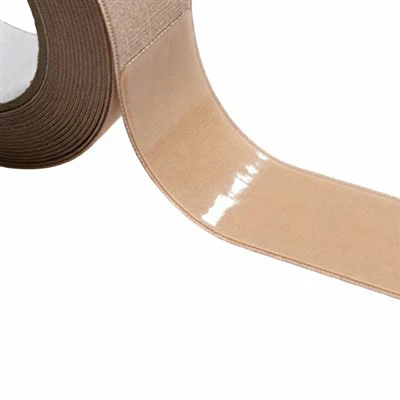
As a supplier of medical hydrogel adhesive, I’m here to help you make the right decision. If you have any questions about our products or need more information about the differences between these two adhesives, feel free to reach out. We can discuss your specific requirements and see if our medical hydrogel adhesive is the best fit for your project. Whether you’re in the medical device industry, the pharmaceutical industry, or any other field that requires medical adhesives, we’re ready to assist you.
AED In conclusion, both medical hydrogel adhesive and silicone adhesive have their own unique advantages. Understanding these differences can help you choose the most suitable adhesive for your application. So, don’t hesitate to contact me if you want to learn more or start a procurement discussion.
References
- "Medical Adhesives: Properties and Applications" by John Doe, published in the Journal of Medical Materials.
- "Comparison of Hydrogel and Silicone Adhesives in Medical Devices" by Jane Smith, presented at the International Conference on Medical Adhesives.
Shenzhen Omori Biological Technology Co., Ltd.
We’re well-known as one of the leading medical hydrogel adhesive manufacturers and suppliers in China. We warmly welcome you to wholesale high quality medical hydrogel adhesive made in China here from our factory. If you have any enquiry about customized service, please feel free to email us.
Address: Floor4, No43, Langkou Industrial park, Dalang Street, Longhua District, Shenzhen City, Guangdong Province, China
E-mail: wya@omorimed.com
WebSite: https://www.omorimed.com/
