In the dynamic world of power supply technology, Power Factor Correction (PFC) power supplies have emerged as a crucial component for a wide array of electronic devices. As a seasoned supplier of PFC power supplies, I’ve witnessed firsthand the transformative impact these units have on energy efficiency, system performance, and overall cost savings. In this blog, I’ll delve into the concept of power rating in PFC power supplies, exploring its significance, how it’s measured, and why it matters for both manufacturers and end-users. PFC Power Supply

Understanding Power Rating
At its core, the power rating of a PFC power supply refers to the maximum amount of electrical power it can safely and consistently deliver to connected devices. It’s typically measured in watts (W) and serves as a critical specification that helps users determine whether a particular power supply is suitable for their needs. Just like the engine in a car, the power rating of a PFC power supply dictates its "muscle"—the capacity to handle the electrical load demanded by the connected equipment.
Power rating encompasses two main aspects: input power and output power. Input power represents the electrical power drawn from the source, such as the mains power grid. In contrast, output power is the power available for consumption by the connected devices after the PFC power supply has converted and conditioned the input power.
Why Power Rating Matters
The power rating of a PFC power supply is not just a random number; it has far-reaching implications for the performance, reliability, and efficiency of the entire electrical system. Here’s why it’s so important:
- Device Compatibility: Ensuring that the power supply’s rating matches the power requirements of the connected devices is essential for proper operation. If the power supply is underrated, it won’t be able to provide enough power, causing the devices to malfunction or even fail. On the other hand, an overrated power supply may be more expensive and less efficient, as it will consume more power than necessary.
- System Reliability: A power supply that operates close to its maximum rating for extended periods is more likely to overheat, which can lead to premature component failure and system downtime. By choosing a power supply with an appropriate power rating, you can ensure that it operates within a safe temperature range, improving its reliability and longevity.
- Energy Efficiency: PFC power supplies are designed to improve the power factor, which is a measure of how effectively electrical power is converted into useful work. A higher power factor means less energy is wasted as heat, resulting in lower energy consumption and cost savings. However, the efficiency of a PFC power supply can vary depending on its load. Choosing a power supply with a power rating that closely matches the actual load can help optimize its efficiency.
Measuring Power Rating
Determining the power rating of a PFC power supply involves a combination of theoretical calculations and practical testing. Here’s a step-by-step overview of the process:
- Identify the Load Requirements: The first step is to determine the power requirements of the connected devices. This can be done by referring to the device specifications or by measuring the actual power consumption using a power meter.
- Calculate the Total Load: Once you have identified the power requirements of each device, you need to calculate the total load by adding them up. It’s important to account for any potential peaks in power consumption, such as when the devices are starting up or operating at maximum capacity.
- Consider the Power Factor: PFC power supplies are designed to improve the power factor, which can be as high as 0.99 or more. However, the actual power factor can vary depending on the load and the design of the power supply. To ensure that the power supply can handle the total load, you need to factor in the power factor when calculating the required power rating.
- Select the Appropriate Power Rating: Based on the total load and the power factor, you can select a PFC power supply with an appropriate power rating. It’s generally recommended to choose a power supply with a rating that is slightly higher than the calculated total load to allow for some margin of safety.
Factors Affecting Power Rating
Several factors can affect the power rating of a PFC power supply, including ambient temperature, humidity, and ventilation. Here’s a closer look at how these factors can impact the performance and reliability of the power supply:
- Ambient Temperature: The ambient temperature refers to the temperature of the surrounding environment. High ambient temperatures can cause the power supply to overheat, which can reduce its efficiency and reliability. To ensure that the power supply operates within a safe temperature range, it’s important to choose a power supply with a sufficient power rating and to provide adequate ventilation.
- Humidity: High humidity can cause corrosion and damage to the internal components of the power supply. To prevent this, it’s important to choose a power supply that is designed to operate in humid environments and to take appropriate measures to protect it from moisture.
- Ventilation: Proper ventilation is essential for maintaining the temperature of the power supply within a safe range. Insufficient ventilation can cause the power supply to overheat, which can reduce its efficiency and reliability. To ensure adequate ventilation, it’s important to install the power supply in a well-ventilated area and to follow the manufacturer’s recommendations for spacing and airflow.
Importance of Power Rating in Different Applications
The importance of power rating varies depending on the application. Here are some examples of how power rating affects different types of electronic devices:
- Consumer Electronics: In consumer electronics such as laptops, smartphones, and gaming consoles, power rating is crucial for ensuring optimal performance and battery life. A power supply with a low power rating may not be able to provide enough power to charge the device quickly or to run it at full capacity.
- Industrial Equipment: In industrial applications such as manufacturing plants and data centers, power rating is essential for ensuring reliable operation and preventing downtime. Industrial equipment often requires high-power PFC power supplies to meet the demands of motors, pumps, and other heavy-duty machinery.
- Renewable Energy Systems: In renewable energy systems such as solar panels and wind turbines, power rating is critical for maximizing energy production and efficiency. PFC power supplies are used to convert the DC power generated by the renewable energy sources into AC power that can be used by the electrical grid or by connected devices.
Making the Right Choice
As a PFC power supply supplier, I understand the importance of choosing the right power supply for your needs. That’s why I offer a wide range of PFC power supplies with different power ratings, features, and specifications to meet the diverse needs of my customers. Whether you’re looking for a high-power power supply for industrial applications or a compact and efficient power supply for consumer electronics, I can help you find the perfect solution.
When choosing a PFC power supply, it’s important to consider not only the power rating but also other factors such as efficiency, reliability, and cost. By working with a trusted supplier like me, you can ensure that you get a high-quality power supply that meets your specific requirements and provides long-term value.
Contact Us for Your PFC Power Supply Needs
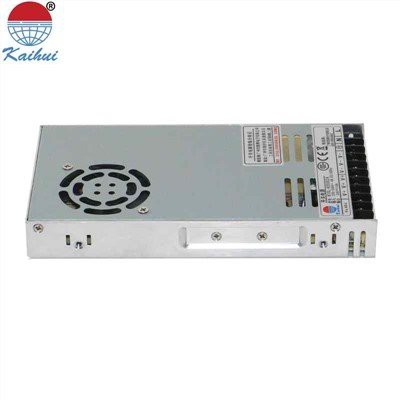
If you’re in the market for a PFC power supply, I’d be happy to discuss your needs and provide you with a customized solution. Whether you’re a small business or a large corporation, I have the expertise and resources to help you find the right power supply for your application.
U Bracket Switching Power Supply Don’t hesitate to reach out to me to start a conversation. I’m here to answer your questions, provide technical support, and help you make an informed decision. Let’s work together to find the perfect PFC power supply for your needs.
References
- Grover, P. (2021). Switch – Mode Power Supplies: SPICE Simulations and Practical Designs. Wiley.
- Thottuvelil, B. G., & Mohan, N. (2015). Power Electronics: A First – Course. Wiley.
- Maksimovic, D., & Erickson, R. W. (2001). Fundamentals of Power Electronics. Springer.
Guangzhou Kaihui Electronics Co., Ltd.
Guangzhou Kaihui Electronics Co., Ltd. is one of the most professional pfc power supply manufacturers and suppliers in China, specialized in providing the best customized service. We warmly welcome you to buy high quality pfc power supply made in China here from our factory.
Address: 2F BLDG8, Standard Ind.Park, Dongchong Town, Nansha District 511453, Guangzhou, Guangdong, China
E-mail: amy@gzkaihui.com
WebSite: https://www.kaihuipowersupply.com/
