Hey there! I’m working for a time frequency calibration supplier, and I’ve seen a fair share of frequency drift issues over the years. Frequency drift is a real headache in time frequency calibration, but don’t worry, I’ve got some solid tips on how to troubleshoot these problems. Time Frequency Calibration
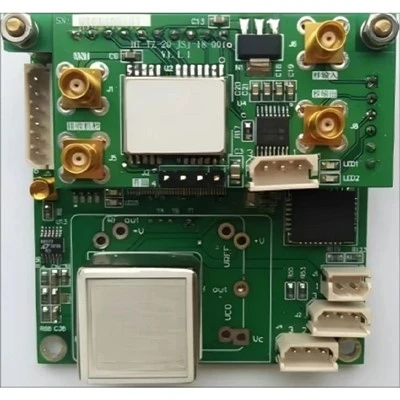
First off, let’s understand what frequency drift is. In simple terms, it’s when the frequency of a signal changes over time. This can mess up all sorts of things, from communication systems to scientific experiments. It’s like having a clock that’s constantly running a bit fast or slow.
Now, the first step in troubleshooting frequency drift is to do a thorough inspection of the equipment. Check for any obvious signs of damage, like loose connections, frayed wires, or overheating components. Sometimes, a simple loose cable can cause frequency drift. I remember once, a client was having major frequency drift issues, and it turned out that a power cable was barely plugged in. Once we fixed that, the problem was solved.
Next, look at the environment where the equipment is located. Temperature, humidity, and even vibration can affect the frequency of a signal. If the equipment is in a place that’s too hot or too cold, it can cause the components to expand or contract, which in turn can lead to frequency drift. For example, if you’re using a crystal oscillator, it’s very sensitive to temperature changes. Try to keep the equipment in a stable environment. You might need to install an air conditioner or a dehumidifier if the conditions are too extreme.
Another important thing to check is the power supply. A fluctuating power supply can cause frequency drift. Make sure the power source is stable and that the equipment is properly grounded. You might want to use a voltage regulator to ensure a constant voltage. I’ve seen cases where a bad power supply was the root cause of frequency drift, and once we replaced it with a stable one, the problem disappeared.
It’s also a good idea to check the calibration of the equipment. Sometimes, frequency drift can occur because the equipment hasn’t been calibrated correctly. Use a high – quality calibration device to check the frequency of the signal. If it’s off, you’ll need to recalibrate the equipment. This might require some specialized knowledge, so if you’re not sure how to do it, don’t hesitate to reach out for professional help.
Software can also play a role in frequency drift. If there are any software glitches or outdated firmware, it can cause the equipment to behave erratically. Check for software updates and make sure all the programs are running smoothly. Sometimes, a simple software patch can fix the frequency drift problem.
Now, if you’ve done all these checks and you’re still having frequency drift issues, it might be time to look at the internal components of the equipment. Some components, like capacitors and resistors, can degrade over time, which can lead to frequency drift. You might need to replace these components. This is a more advanced troubleshooting step, and it’s best to have a professional technician do it.
Let’s talk about some preventive measures to avoid frequency drift in the first place. Regular maintenance is key. Set up a schedule to inspect and clean the equipment. This can help catch any potential problems before they turn into major frequency drift issues. Also, invest in high – quality equipment. Cheaper components are more likely to cause problems, so it’s worth spending a bit more upfront to avoid headaches later.
Another preventive measure is to use redundant systems. If one system starts to experience frequency drift, you can switch to a backup system. This can ensure that your operations continue without interruption.
In addition, keep detailed records of the equipment’s performance. This can help you identify patterns and predict when frequency drift might occur. For example, if you notice that the frequency drift always happens after a certain number of hours of operation, you can take preventive action before it becomes a problem.
If you’re still struggling with frequency drift issues, don’t worry. That’s where we come in. As a time frequency calibration supplier, we have the expertise and the tools to help you solve these problems. Our team of experienced technicians can perform in – depth troubleshooting, calibration, and component replacement. We also offer regular maintenance services to keep your equipment in top – notch condition.
Whether you’re a small business or a large corporation, we can provide customized solutions to meet your specific needs. We understand that frequency drift can have a big impact on your operations, and we’re committed to helping you get back on track as quickly as possible.
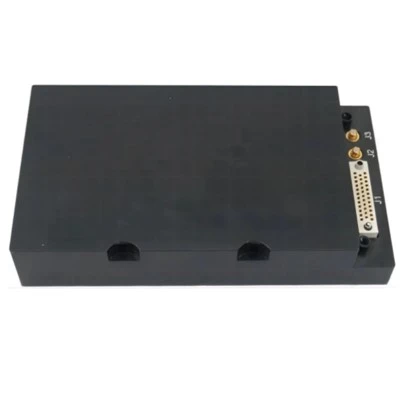
So, if you’re facing frequency drift issues in your time frequency calibration, or if you just want to make sure your equipment is running smoothly, don’t hesitate to get in touch with us. We’re here to help you troubleshoot, fix, and prevent frequency drift problems. Let’s work together to ensure the accuracy and reliability of your time frequency systems.
Signal Distribution Amplifier References
- "Fundamentals of Time and Frequency metrology"
- "Handbook of Frequency Stability Analysis"
China Go-Sat Microwave Co., Ltd.
China Go-Sat Microwave Co., Ltd. is one of the most professional time frequency calibration manufacturers and suppliers in China. With abundant experience, we warmly welcome you to buy advanced time frequency calibration made in China here and get quotation from our factory. All customized products are with high quality and competitive price.
Address: No. 3908 ShiBo Avenue, Baqiao District, Xi’an, China
E-mail: sales@go-satcom.com
WebSite: https://www.go-satcom.com/
