Hey there! I’m a supplier of Textilene Fabrics, and today I wanna chat about what the elasticity of Textilene Fabrics is all about. Textilene Fabrics
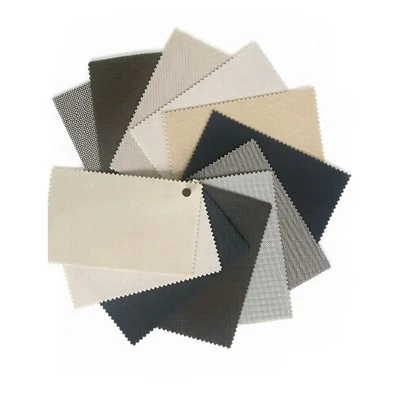
First off, let’s talk a bit about what Textilene Fabrics are. Textilene is a type of synthetic fabric that’s super popular in a lot of different applications. You’ll often see it used in outdoor furniture, like patio chairs and loungers. It’s also used in making awnings, umbrellas, and even some types of bags. The reason it’s so widely used is that it’s durable, resistant to the elements, and relatively easy to clean.
Now, onto the main topic – elasticity. Elasticity, in the context of fabrics, is basically how much a fabric can stretch and then go back to its original shape. When it comes to Textilene Fabrics, their elasticity can vary quite a bit. It depends on a few factors.
One of the big factors is the material composition. Textilene is usually made from polyvinyl chloride (PVC) coated polyester. The way these materials are combined and the quality of the materials themselves can have a huge impact on the fabric’s elasticity. For example, if the polyester fibers are of a higher quality and have been treated well during the manufacturing process, the fabric is likely to have better elasticity.
Another factor is the weave of the fabric. There are different types of weaves used in making Textilene Fabrics, like plain weave, twill weave, and satin weave. Each of these weaves can affect how the fabric stretches. A plain weave is pretty simple and straightforward, and it might not have as much stretch as a more complex weave like twill. Twill weaves often have a diagonal pattern, which can allow the fabric to move and stretch in different directions.
So, what are the benefits of having good elasticity in Textilene Fabrics? Well, for one thing, it makes the fabric more comfortable. If you’re sitting on a patio chair with Textilene fabric, you want it to be able to stretch a little bit when you sit down. That way, it conforms to your body shape and gives you a more comfortable seating experience.
Elasticity also helps with the durability of the fabric. When a fabric can stretch and then go back to its original shape, it’s less likely to tear or wear out. For example, if you have an awning made of Textilene fabric, when it gets buffeted by the wind, the elasticity allows it to move and flex without getting damaged.
But elasticity isn’t always a good thing. Sometimes, too much elasticity can be a problem. In some applications, you might need a fabric that’s more rigid and doesn’t stretch too much. For example, if you’re using Textilene fabric to make a bag, you don’t want it to stretch so much that your stuff falls out.
So, how can we measure the elasticity of Textilene Fabrics? There are a few ways. One common method is to use a tensile testing machine. This machine pulls on a sample of the fabric and measures how much force it takes to stretch the fabric a certain amount. It also measures how well the fabric goes back to its original shape after it’s been stretched.
As a supplier, I know how important it is to get the elasticity of Textilene Fabrics just right. Different customers have different needs. Some might want a fabric with high elasticity for a more comfortable seating experience, while others might need a fabric with very low elasticity for a more rigid application.
That’s why we offer a wide range of Textilene Fabrics with different levels of elasticity. We work closely with our manufacturers to make sure that we can meet the needs of all our customers. Whether you’re a furniture maker, an awning installer, or a bag designer, we’ve got the right fabric for you.
We also understand that quality is key. That’s why we source our materials from the best suppliers and use the latest manufacturing techniques. We test our fabrics regularly to make sure that they meet our high standards of quality and elasticity.
If you’re in the market for Textilene Fabrics, I encourage you to get in touch with us. We’d love to have a chat with you about your specific needs and help you find the perfect fabric. Our team of experts is always here to answer any questions you might have. Whether it’s about elasticity, color options, or durability, we’ve got the knowledge and experience to help you make the right choice.
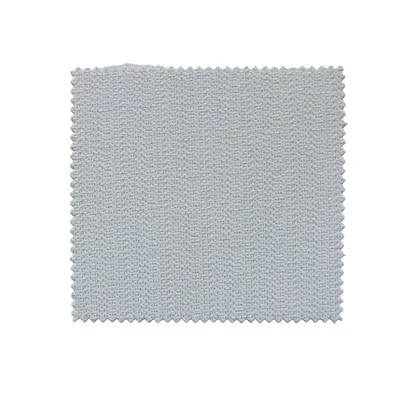
In conclusion, the elasticity of Textilene Fabrics is an important factor that can have a big impact on the performance and suitability of the fabric for different applications. As a supplier, we’re committed to providing high-quality fabrics with the right level of elasticity for your needs. So, don’t hesitate to reach out and start a conversation with us about your next project.
Wall Fabric References
- Textile Manufacturing Handbook: Covers general information on textile materials and their properties.
- Polyvinyl Chloride (PVC) and Polyester Research Papers: Provide in – depth data on the characteristics of PVC and polyester which are used in Textilene Fabrics.
- Tensile Testing Standards: Resources on how to measure the elasticity and strength of fabrics.
Nanping Kingway New Material Co., Ltd.
As one of the most professional textilene fabrics manufacturers and suppliers in China, we also support customized service. With abundant experience, we warmly welcome you to wholesale durable textilene fabrics in stock here from our factory. If you have any enquiry about pricelist, please feel free to email us.
Address: No. 10, Chengnan Branch Road, Chengjiao Town, Nanping, Fujian, China.
E-mail: npjwxcl@aliyun.com
WebSite: https://www.suernew.com/
